

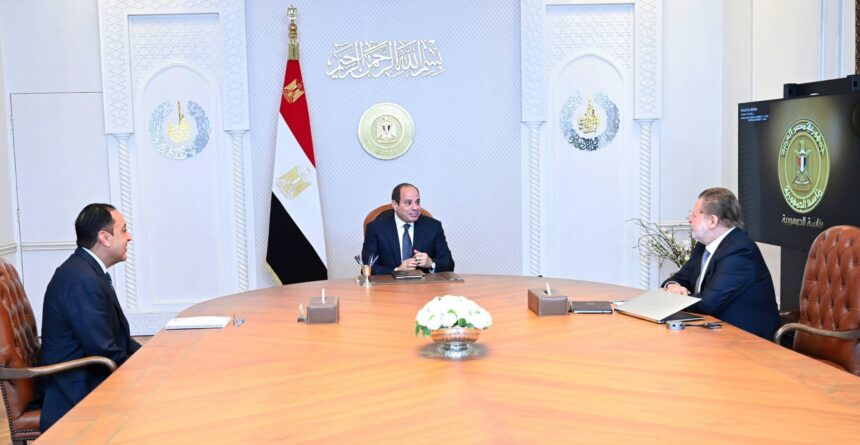
Egyptian President Abdel Fattah Al-Sisi on Monday called for sustained efforts to bring down inflation and public debt, increase foreign currency inflows and maintain sufficient foreign exchange reserves to cover the country’s strategic import needs.
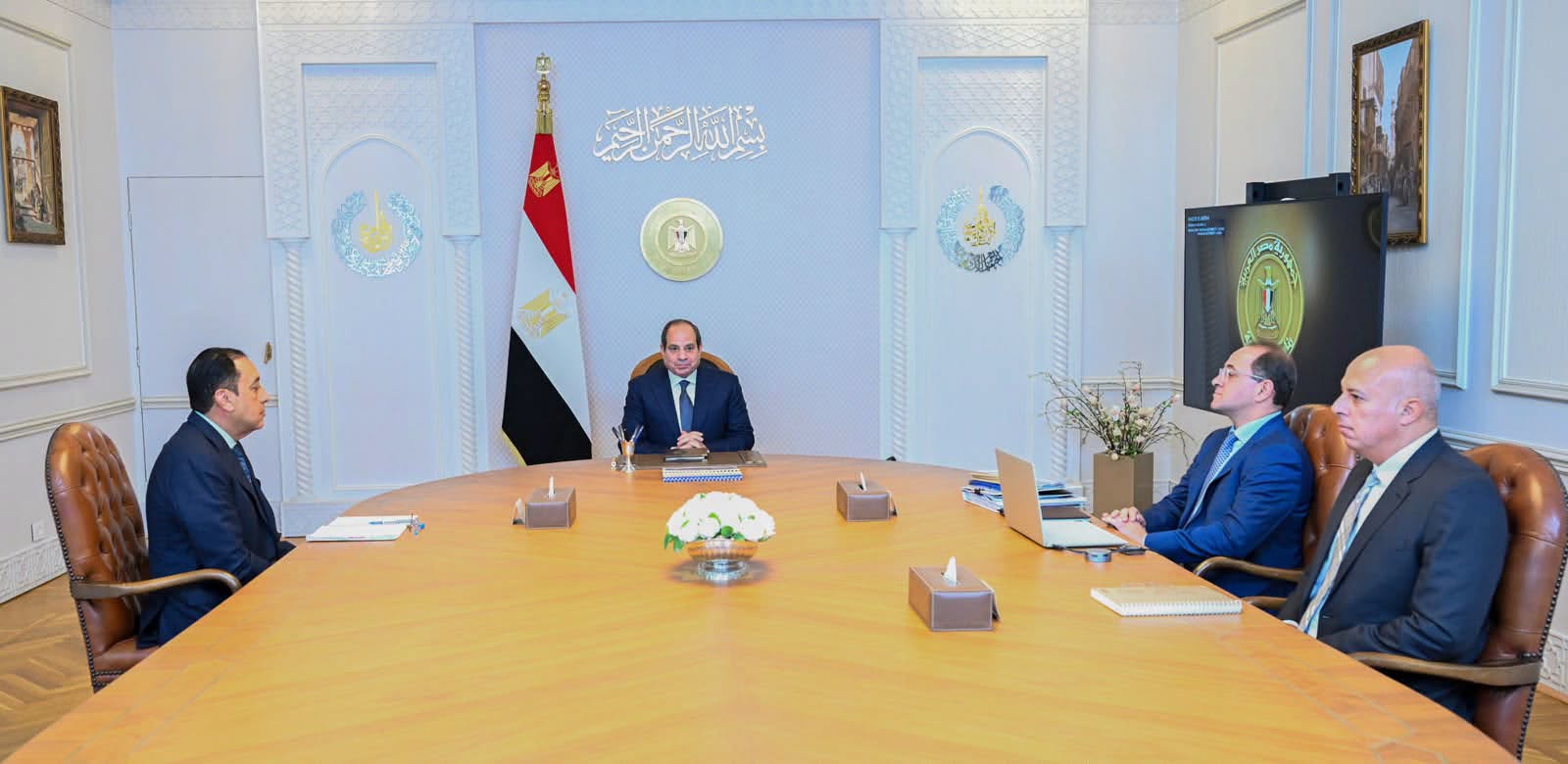
Al-Sisi issued the directives during separate meetings with Prime Minister Mostafa Madbouly, Central Bank of Egypt (CBE) Governor Hassan Abdalla and Finance Minister Ahmed Kouchouk to review Egypt’s economic performance and monetary and fiscal policies.
Abdalla said Egypt’s foreign exchange reserves had reached a record $57.50bn at the end of October 2026, while net foreign assets in the banking sector had risen to their highest level since 2011. The presidency did not disclose a figure for net foreign assets.
He said the CBE would continue working to curb inflation, preserve financial stability and strengthen the banking sector while maintaining a flexible exchange-rate regime determined by market mechanisms.
Al-Sisi stressed the importance of continued coordination between the government and the central bank to ensure adequate foreign currency reserves to cover strategic imports of essential goods.
The meeting also reviewed the CBE’s approval of regulations governing digital financial identity services as part of efforts to accelerate digital transformation and promote financial inclusion.
Al-Sisi called for stronger risk-management frameworks, governance and cybersecurity across the banking sector, alongside greater investment in technology and human capital.
In a separate meeting with Kouchouk, Al-Sisi reviewed fiscal indicators and government plans to reduce public debt, stimulate economic growth, strengthen social protection and attract greater private-sector investment.
Kouchouk said the government was working on tax, customs and real estate incentives, alongside diversifying financing instruments, to create a more attractive environment for private investment.
The meeting also reviewed low-interest financing initiatives for private-sector companies. Kouchouk said the government aimed to attract more investors to long-term bonds and was considering debt-for-investment and debt-for-asset swaps to ease financing costs.
Al-Sisi directed officials to diversify financing sources and instruments and introduce more flexible options to attract new categories of investors.
Officials also reviewed a study on investing part of the surpluses and funds held by state entities in government securities.
Kouchouk said the measure could reduce the state budget’s reliance on domestic and external borrowing and lower dependence on more expensive debt instruments.
He added that maintaining fiscal surpluses would help reduce public debt and the budget deficit while creating greater fiscal space for spending on health, education and social protection.
Al-Sisi called for economic reforms to proceed according to clear timetables and measurable indicators to assess government performance.


