

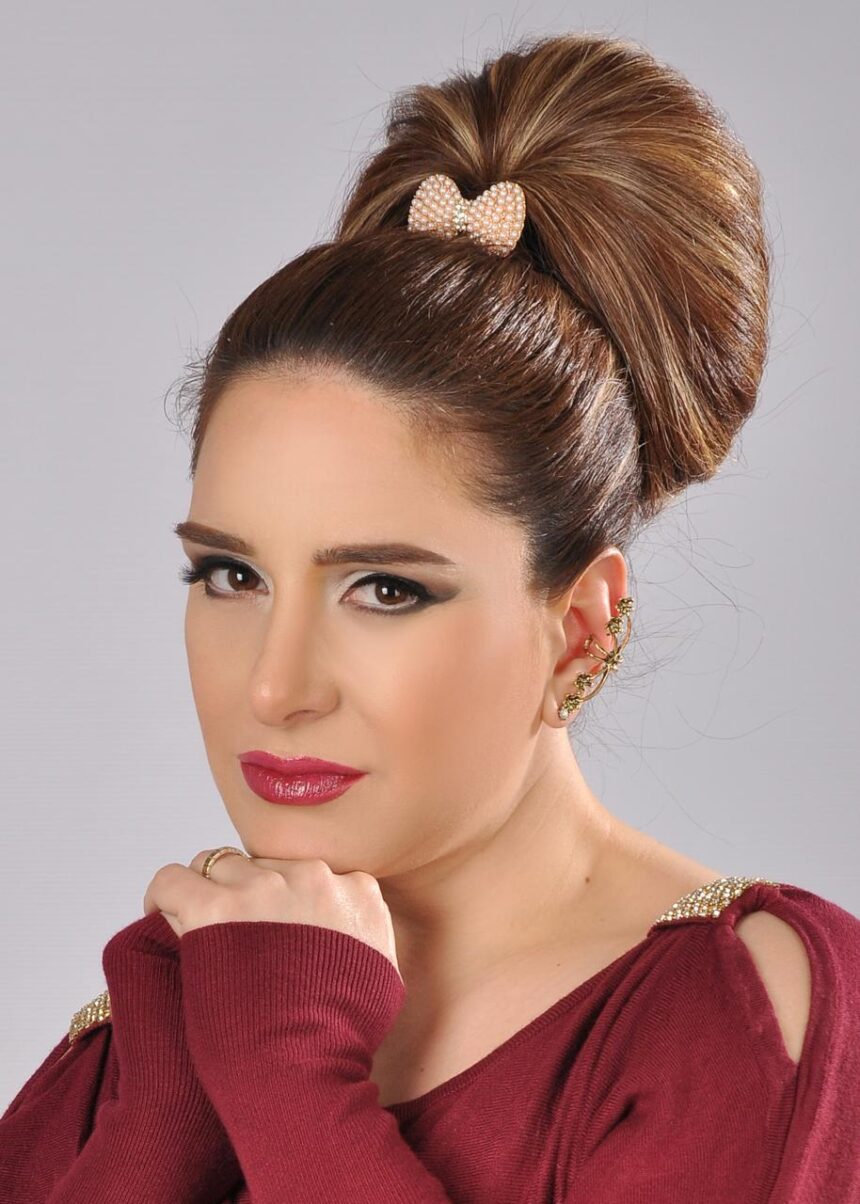
Her first encounter with legendary Egyptian actress Souad Hosny marked the beginning of Merna Walid’s journey into acting. At just fifteen, she found herself part of one of the most significant cinematic experiences of her career: Al-Raii wa al-Nesaa, alongside some of Egyptian cinema’s most celebrated stars, including Hosny and Ahmed Zaki. What began as an opportunity to meet her screen idol soon became a defining moment that set the course for her artistic career.
- I Joined Al-Raii wa al-Nesaa Simply to Meet Souad Hosny
- Cinema Will Always Have a Special Place in My Heart
- Studying Film Directing Took Me Away from Acting for a While
- Theatre Has Become an Essential Part of My Life
- Theatre Takes Up Much of My Life, but Nothing Matches Its Joy
- My Role in Umrah Ramadan Explores the Positive Use of Social Media
- Every Generation Has Something New to Offer
- I Want Every New Role to Take Me Somewhere Different
Over the years, Walid has established a distinctive presence in cinema, television and theatre, carefully selecting roles that challenge her creatively and allow her to explore different dimensions of her talent. In recent years, theatre has once again taken centre stage in her career, with productions including Qamar al-Ghajar and Fares Yakshif al-Mastour, followed by the musical Ibn al-Osoul.
Her ambitions, however, extend beyond the stage. She is currently involved in a new television series, Umrah Ramadan, which explores the relationship between younger generations and social media. The subject raises broader questions about the influence of digital platforms on the arts and society, and whether online visibility has become a new measure of stardom.
In this conversation, Walid reflects on her memories of working alongside icons of Egyptian cinema, the circumstances that led to her early entry into acting, and her enduring connection with theatre. She also discusses her approach to selecting roles, her assessment of the current state of cinema and television drama, the growing influence of social media, and her aspirations for the next chapter of her career.
I Joined Al-Raii wa al-Nesaa Simply to Meet Souad Hosny
Let us begin with Al-Raii wa al-Nesaa. How did you find your way into acting through this film, particularly given that it brought you together with stars of the stature of Souad Hosny and Ahmed Zaki?
I took part in Al-Raii wa al-Nesaa simply because I wanted to meet Souad Hosny. At the time, I could never have imagined that the film would change my life so profoundly. I was around fifteen, and acting was neither part of my plans nor something I had ever seriously considered. All I could think about was the opportunity to meet Souad Hosny.
During production, Ahmed Zaki personally put me to the test. He read scenes with me and offered tremendous encouragement. Souad Hosny, meanwhile, was exceptionally gentle, kind and warm-hearted. Despite her extraordinary stature, I was struck by her modesty and shyness. She guided me and helped me feel comfortable in front of the camera.
I went on to receive thirteen awards for that role, making the film an extraordinary milestone in my life. It was significant not only artistically but also because it marked the true beginning of my journey as an actress.
How did this early experience shape your artistic development? Did working alongside figures such as Ahmed Zaki and Souad Hosny place an unusual level of responsibility on your shoulders from the very beginning?
Absolutely. It was an exceptional experience by every measure, particularly because I was so young and had neither the necessary experience nor a clear understanding of what working in the arts actually involved.
Being surrounded by such distinguished artists gave me an invaluable opportunity to learn, observe and absorb their experience. I believe that when you begin your career in the company of such remarkable figures, the memories and details stay with you forever. They become an integral part of your artistic and personal identity.
Cinema Will Always Have a Special Place in My Heart
After such a remarkable cinematic debut, how do you view cinema today? Do you find yourself longing to return to the big screen?
Cinema will always have a very special place in my heart because it was my gateway into acting. It was also where I experienced one of the most influential chapters of my life.
I always hope to take part in new film projects, but what matters most to me is that the film should be worthwhile and the character distinctive enough to make my return meaningful.
I do not see returning to cinema as simply appearing in another film. I look for a project that adds something to my career and gives me the opportunity to offer audiences something new.
With years of experience behind you, have you become more selective about the projects you take on? What criteria guide your decision to accept a role?
Definitely. I have become much more careful about my choices because I believe an actor should have a clear artistic position on the work they agree to be part of.
The most important thing for me is that the character should be different and that the script should challenge me creatively and genuinely excite me about bringing the role to life.
That was precisely what happened with Qamar al-Ghajar. From the first time I read the script, I felt it was an unusual project and that the character offered considerable room for expression and artistic exploration. I was immediately drawn to it.
Studying Film Directing Took Me Away from Acting for a While
After appearing in several productions, you decided to step away from acting and enrol at the Film Institute to study directing. How did that decision come about, and what motivated you to take that path?
After appearing in a number of productions, I enrolled in the Directing Department at the Film Institute and decided to devote myself entirely to my studies, stepping away from acting for a period.
Looking back, that time could perhaps have been invested in developing my acting career further. However, I strongly believed in the importance of academic study in refining my talent and developing my artistic skills.
I remember that the late Souad Hosny always encouraged me to take my education seriously. She believed that learning and culture were essential to an artist’s development and to broadening their creative abilities.
Do you feel that studying directing affected your acting career and delayed your professional progress? After graduating, did you consider working as a director alongside your acting career?
Indeed, my studies took me away from pursuing my acting career for a while and delayed my return to the profession, as I chose to complete my education and receive specialised academic training.
Sometimes, when we make life-changing decisions at a young age, we may not yet have the maturity or experience to fully appreciate their implications for our professional future.
Nevertheless, I ultimately benefited from that experience, and once I completed my studies, I returned to acting.
As for the possibility of returning to directing and pursuing it professionally, I have not made a final decision. However, studying directing undoubtedly enriched my artistic experience and gave me a broader understanding of the filmmaking process.
Theatre Has Become an Essential Part of My Life
In recent years, you seem to have made a strong return to theatre through Qamar al-Ghajar and Ibn al-Osoul, alongside your work on the television series Umrah Ramadan. What reignited your enthusiasm for acting, and how have you managed to balance your family responsibilities with your artistic career?
Theatre has become a major part of my life in recent years. Qamar al-Ghajar was a particularly distinctive experience, especially because I played a Gypsy character who was very different from the roles audiences had grown accustomed to seeing me in.
Ibn al-Osoul was another important milestone in my return to the stage. Through this production, I decided to overcome my long-standing fear of performing before a live theatre audience and embrace the experience, with all its artistic challenges.
On the television front, I am participating in Umrah Ramadan, in which I play a teacher who helps a student develop her talent and learn how to use social media responsibly.
As for my periods away from acting, my two daughters have always been my priority. I wanted to give them the time, care and attention they needed. As they have grown older, I have found it easier to strike a balance between family life and my professional commitments. That has encouraged me to return to the artistic scene and take part in new productions.
Theatre has clearly assumed a prominent place in your career over the past few years. What did Qamar al-Ghajar bring to you as an actress?
Theatre has become an essential part of my life, and Qamar al-Ghajar represented a very different artistic challenge for me. I played a Gypsy woman, a character entirely unlike the gentle, composed roles audiences had previously associated with me.
From the very first reading of the script, I sensed that it was something different. I remember telling myself: this is exactly the kind of role I have been looking for.
I also had a wonderful experience working with the distinguished actor Mohamed Sobhi in the play Fares Yakshif al-Mastour. Sharing the stage with an artist of his calibre and experience was one of the most memorable moments of my career, and I learned a great deal from the experience.
Theatre Takes Up Much of My Life, but Nothing Matches Its Joy
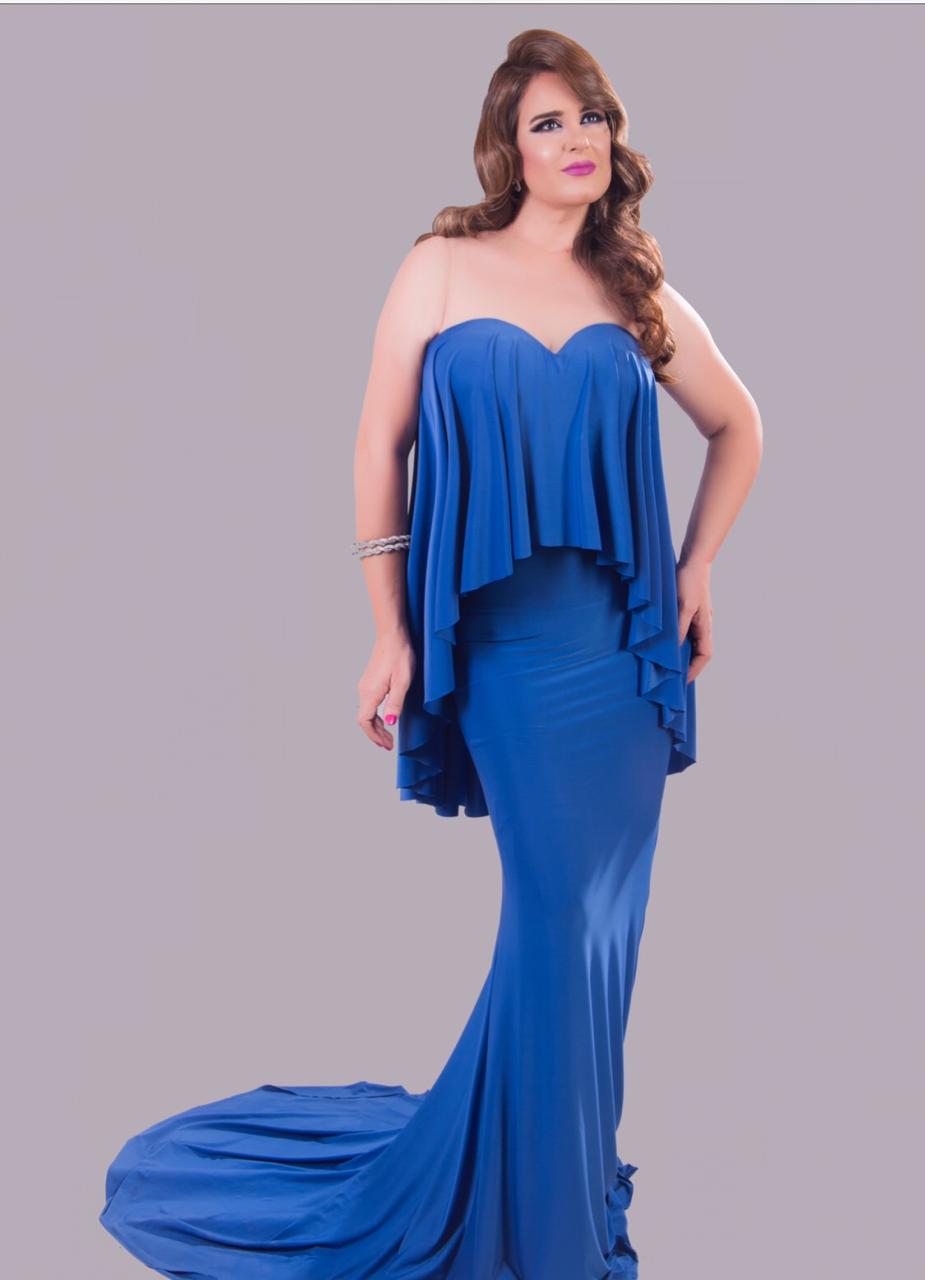
In 2026, you returned to the stage in the musical production Ibn al-Osoul, alongside singer Mostafa Shouky, at Miami Theatre. What persuaded you to take on this project after Qamar al-Ghajar?
To be honest, I had been considering taking a break after Qamar al-Ghajar. However, director Mourad Mounir asked me to attend the rehearsals before making a final decision to withdraw.
I went along and found myself increasingly drawn to the production and emotionally invested in the experience. Eventually, I decided to join the cast.
Theatre demands an enormous amount of time, effort and energy, but it offers an entirely different kind of pleasure, one that cannot be compared with any other artistic experience. There is something unique about standing before a live audience and feeling its immediate response to what you are performing.
I particularly enjoyed singing in the production and experiencing that direct connection with the audience. It is true that theatre takes up a considerable part of your life because of the time and commitment it requires. But in return, it gives you the wonderful feeling of creating live art that reaches people in the very moment it is performed.
My Role in Umrah Ramadan Explores the Positive Use of Social Media
Turning to television drama, reports have indicated that you are taking part in the series Umrah Ramadan. Could you tell us more about the character you play?
I am currently filming Umrah Ramadan, which brings me together with actress Rania Farid Shawky and actor Mohsen Mohieddin.
I play a teacher who tries to help one of her students discover and develop her talent, while guiding her towards a healthier and more constructive use of social media. The idea is to help the student benefit from these platforms without allowing them to take over her life.
What attracted me to the character was its human and social dimension, particularly because it addresses an important issue concerning younger generations and their relationship with social media, as well as how these platforms can be used positively.
Personally, I am not particularly active on social media, which made the role all the more interesting and different for me. The series is scheduled to be screened during the Ramadan television season, God willing.
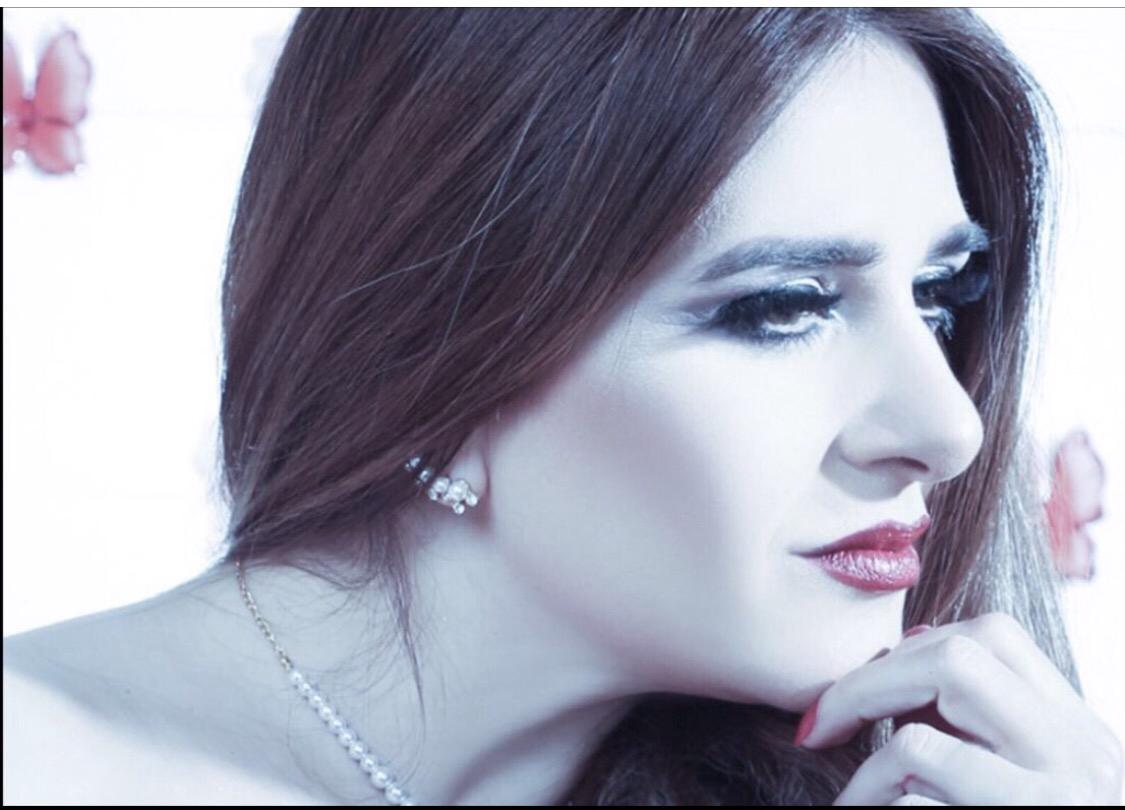
The series addresses social media and its impact on younger generations. How do you view the influence of these platforms on the entertainment industry? Have they become a measure of an actor’s success?
Social media has become an integral part of our lives and has had a considerable impact on almost every field, including the arts.
However, I believe that an actor’s talent and the value of their work must remain the fundamental measures of success.
These platforms can certainly help actors gain visibility and connect with audiences, but they can never replace talent, experience or an established artistic legacy.
Personally, I do not use social media very often. I prefer my presence to be defined by my artistic work and what I offer audiences through my performances.
Do you think social media has transformed the relationship between actors and their audiences, making audiences more involved in actors’ professional choices and private lives?
Absolutely. The nature of communication has changed considerably.
Audiences can now express their opinions and interact directly with actors, and they can do so almost instantaneously.
This has its positive aspects, as it allows actors to feel closer to their audiences. At the same time, however, it requires a certain degree of awareness and discretion in how we engage with these platforms.
I believe there should be boundaries protecting an actor’s private life. Not every aspect of one’s personal life needs to be made available to the public. What matters most is maintaining mutual respect and ensuring that artistic work remains the primary means of communication between actors and their audiences.
Every Generation Has Something New to Offer
How do you view competition in the entertainment industry today, particularly with the emergence of new generations of performers and the changing nature of film and television production?
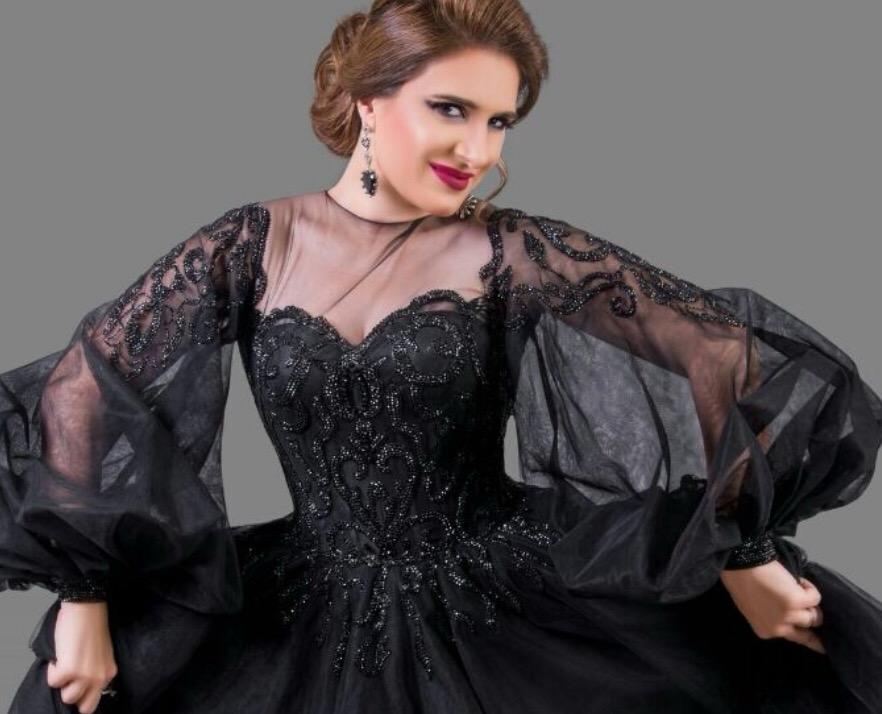
The arts are constantly evolving, and the emergence of new generations is both natural and necessary. Each generation has its own ideas, tools and ways of expressing itself.
I welcome change and believe that the arrival of new talent enriches the artistic scene.
Ultimately, however, what endures is good work and the ability of artists to keep developing themselves and taking on different roles. I do not regard younger generations as competitors. Rather, I see them as part of the continuing evolution of the artistic landscape, which we all hope will keep growing and flourishing.
After periods of relative absence from the artistic scene, you appear to be returning with renewed activity. What has changed in your life that has made this balance possible?
My two daughters have always come first. Over the past few years, I made sure to give them the time and attention they needed because family has always been my top priority.
As they have grown older, I have found myself with more room to balance my family responsibilities with my professional life. This has allowed me to return to acting more actively.
I can say that I do not intend to disappear from the scene again, God willing. At the same time, I have become more selective about the projects I take on. I am always looking for characters that offer something different and add genuine value to my artistic career.
I am delighted to be back on both the stage and television. Each has its own distinctive appeal and offers a different kind of artistic pleasure.
I Want Every New Role to Take Me Somewhere Different
What are your ambitions for the coming period? Is there a particular character or artistic experience you would love to explore?
I always hope to take part in distinctive projects and to find a new challenge in every experience that comes my way, something that adds to my artistic journey.
I do not like repeating myself. I am drawn to characters with depth, both human and artistic, that give me the opportunity to discover new dimensions of my performance and explore aspects of myself that I have not previously brought to the screen or stage.
What matters most to me is to remain close to my audience and to create work that leaves a positive and lasting impression. The affection and appreciation of the audience are perhaps the greatest achievements an artist can hope for.
Finally, after all these years in the profession, how would you like audiences to remember you?
I hope audiences will remember me through my work and the characters I have portrayed, and feel that I have always been committed to offering something different and sincere.
The audience’s affection is an artist’s true legacy. It is what keeps us going and motivates us to seek out better opportunities and give our best at every stage of our artistic journey.


