

Some actors simply appear on screen, while others leave a lasting impression on audiences, building a distinctive presence through a variety of productions until they become an integral part of the artistic landscape and viewers’ emotional world. Whether through comedy, which brings joy to audiences, or tragedy, which explores the depth of human emotions, an actor’s ability to diversify and reinvent himself remains one of the most important hallmarks of genuine talent.
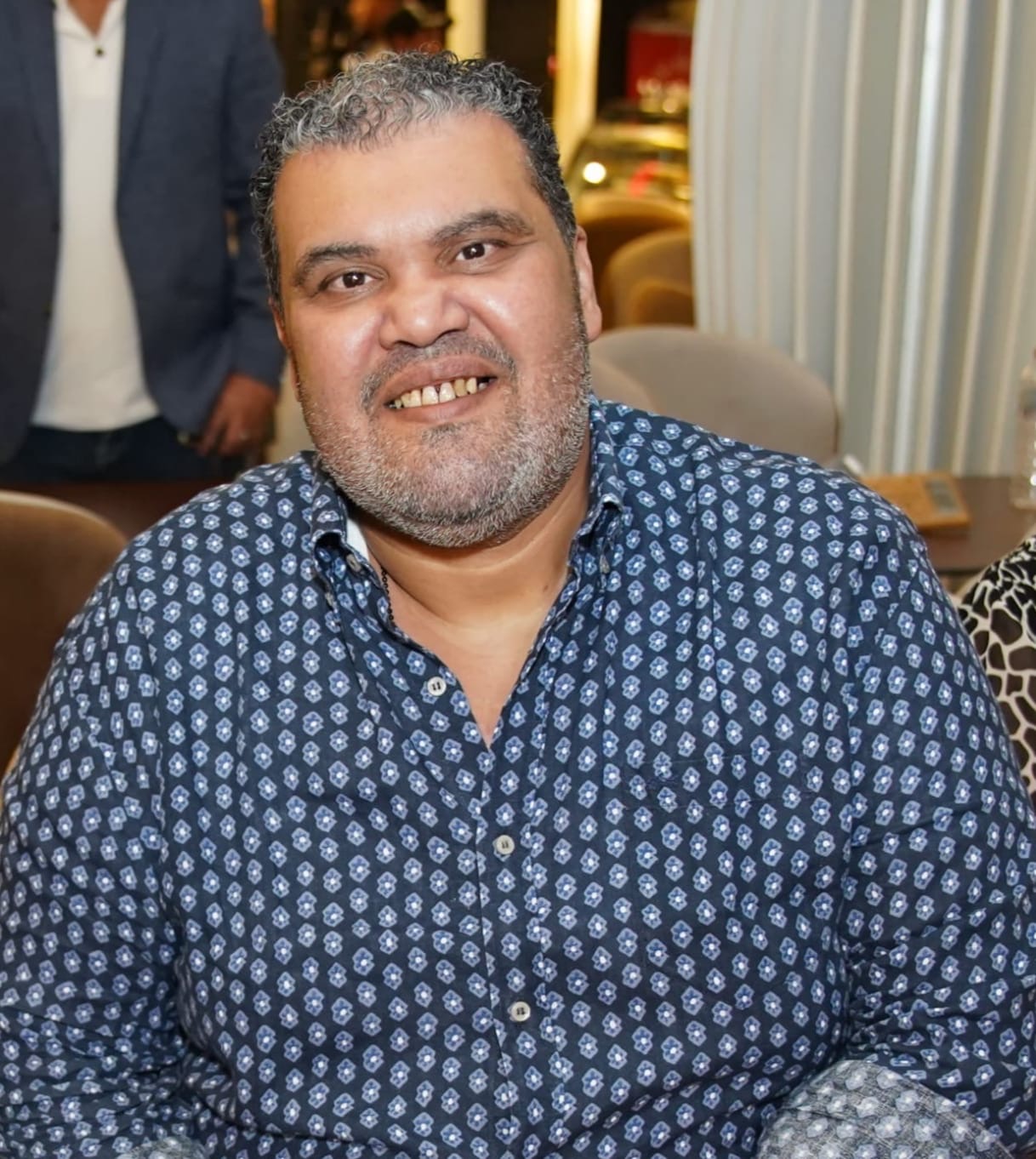
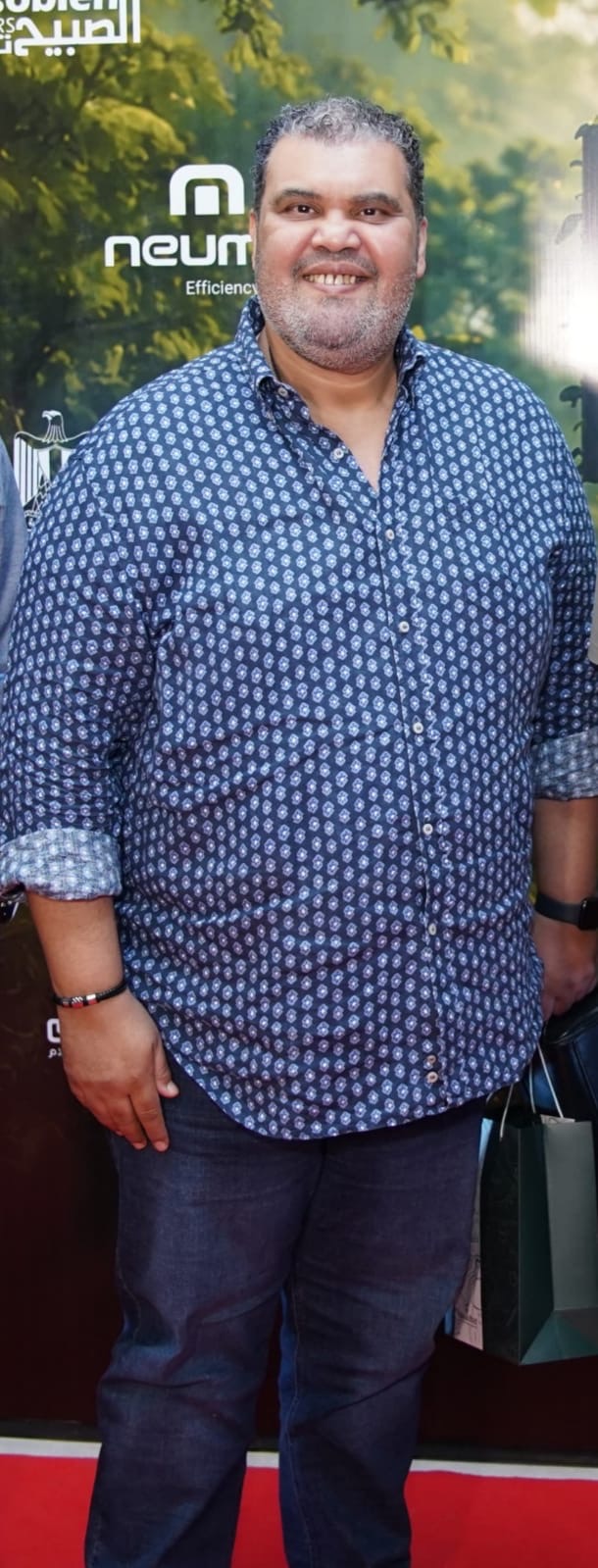
Actor Ahmed Fathy is among the artists who have established a recognisable presence in comedy while also exploring different experiences that demonstrate his versatility and range as a performer. He continues to seek out new characters and challenges, refusing to confine himself to a single artistic genre.
Throughout his career, Fathy has appeared in a diverse range of film and television productions, sharing the screen with some of Egypt’s most prominent artists, foremost among them the legendary Adel Imam. He speaks of their collaboration with profound admiration, describing it as an exceptional experience that had a lasting impact on his professional journey. He also reflects on the influence of the late Nour El-Sherif, whom he regards as an outstanding artistic and humanitarian role model.
In this interview with Daily News Egypt, Fathy discusses the differences between comedy and tragedy, his experience working alongside Adel Imam, the place Nour El-Sherif holds in his heart, and his assessment of Mohamed Saad’s artistic career. He also talks about his upcoming projects and recent productions, including the film ‘Za’ar’, his experience in ‘Moallef Wa Mokhreg Wa Harami’, and his participation in the fifth season of the television series ‘El Leaba’. In addition, he discusses the importance of new cinematic initiatives seeking to bring cinema closer to audiences and shares his vision for the future of comedy in Egyptian cinema.
How do you view the difference between comedy and tragedy in acting?
A true actor should never confine himself exclusively to comedy or tragedy. He must possess the acting skills that enable him to move seamlessly between comic situations and different human and dramatic emotions. Talent cannot be restricted to a single genre; it requires the ability to portray diverse characters and convey both humorous situations and profound emotions.
You have appeared in numerous comedy productions, but you have also explored dramatic roles. Which of those experiences stand out most to you?
I have taken part in several dramatic productions. Although they have not been numerous, some have left a lasting impression on audiences. One notable example is the television series ‘Halet Eshq’, through which I was able to reveal a different side of my acting abilities.
You have spoken with great admiration about the legendary Adel Imam. How would you describe your experience working with him and the influence he had on you?
Adel Imam is a truly remarkable man, both personally and professionally, and possesses extraordinary charisma. I have never met anyone with such a remarkable presence and influence. He treats the script with tremendous respect, almost considering it sacred. He examines every written word carefully and does not accept the addition of even a single word that is not already included in the screenplay.
I worked with him on two television series, and my professional experience before collaborating with him was completely different from what it became afterwards. His extraordinary stardom did not happen by chance; it is the result of many years of hard work, dedication and study. Standing alongside him is like receiving a certificate of birth as an actor in the world of stardom. He is an artistic legend who will never be repeated.
Which film do you consider one of Adel Imam’s most significant works?
I would choose ‘El-Hareef’, directed by Mohamed Khan. I consider it one of his most important films and a landmark in the history of Egyptian cinema. It remains a shining achievement because of its artistic value and distinctive cinematic identity.
You have also spoken about the influence of the late actor Nour El-Sherif. How did he affect you?
Nour El-Sherif is one of the people who influenced me most on a human level. He had his own distinctive school of acting and represented an exceptional artistic and humanitarian model. His legacy has left a profound impact on the generations that followed him.
Many people have praised Mohamed Saad’s comic performances. What is your opinion of him?
Mohamed Saad is one of the most prominent artists to have contributed to comedy. He has an exceptional ability to create characters and portray them in a distinctive way, which has given him a unique identity within this genre.
After years of working in the entertainment industry, how would you describe your relationship with audiences, and what gives an actor a lasting place in people’s hearts?
The audience is the true judge of an actor, and it is the audience that grants him continuity and stardom. Success is not achieved simply by appearing in a production or gaining visibility on screen. It comes from the ability to connect with people emotionally and leave a lasting impression on them.
An actor must always remain connected to audiences and offer productions that carry genuine value while providing viewers with real enjoyment. I believe diversity in roles and continuous reinvention are among the most important factors that help an artist maintain a lasting relationship with the public.
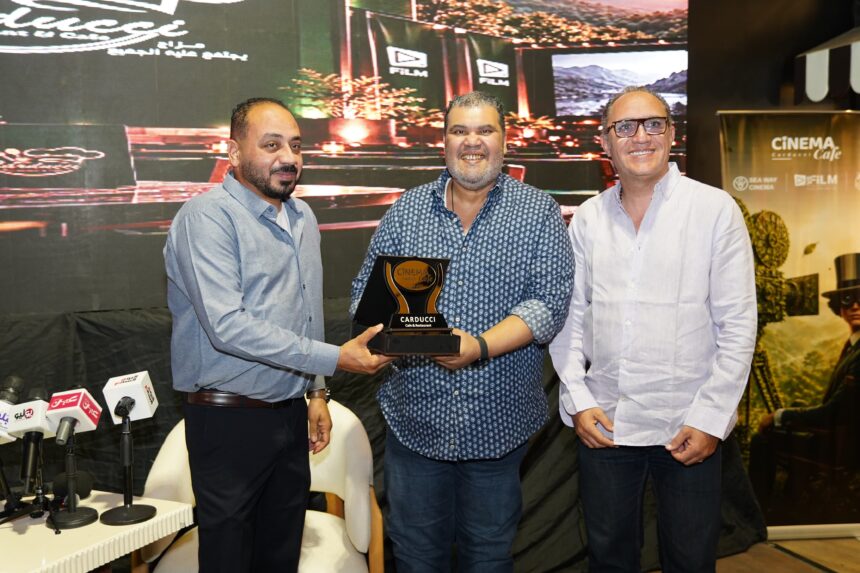
You were recently honoured in recognition of your artistic career and your participation in the ‘Cinema Café’ platform during the third edition of the Very Short Film Festival in Suez. How did you receive this honour, and what does it mean to you?
The honour was presented by the festival’s management, headed by Osama Abounar, with journalist and writer Kadry El-Haggar serving as festival director. The recognition acknowledged my artistic journey and my participation in the platform’s activities.
I am grateful for this gesture, particularly because it comes within the framework of a festival dedicated to very short films and committed to presenting new experiences that bring cinema closer to audiences.
Could you tell us more about the ‘Cinema Café’ programme and its role in the festival?
The session was held as part of the ‘Cinema Café’ platform for very short films, alongside the activities of the festival’s third edition. The concept revolves around screening films in cafés rather than conventional cinema halls, with artists and audiences attending together, followed by open discussions about the films.
This concept brings back something of the atmosphere of cinema’s early beginnings and creates direct interaction between filmmakers and viewers.
The discussion was moderated by Kadry El-Haggar and focused on my artistic experiences and my perspective on acting.
How important are initiatives like these in supporting short films and engaging audiences?
Such programmes make cinema more accessible to people and create opportunities for direct interaction. The festival is keen to bring audiences and filmmakers together in a social setting, enriching the artistic experience and encouraging discussions about the content and ideas presented in films.
How do you see the future of comedy in Egyptian cinema? Has producing a successful comedy film become more challenging as audience tastes continue to evolve?
Comedy is one of the most challenging forms of acting because it requires a strong sense of timing and the ability to portray a character naturally and convincingly. Audiences now have a wide range of choices, which means artists must offer fresh ideas and different characters rather than simply repeat previous experiences.
I believe genuine comedy emerges from the character and the situation itself. It should make audiences laugh naturally, without relying on forced or artificial humour.
You have recently completed filming ‘Za’ar’. What does this film have to offer?
‘Za’ar’ belongs to the horror-comedy genre, combining elements of suspense and horror with comedy in a storyline that blends the two genres. I have completed filming and am now waiting for its release in cinemas in the coming period. It is a different experience, and I hope audiences will enjoy it.
You also participated in the film ‘Moallef Wa Mokhreg Wa Harami’ (A Writer, a Director and a Thief). How would you describe the character you portray?
I play a screenwriter named Belbel/Nabil, who faces a series of crises while dreaming of achieving success, within a social comedy framework. The character is close to real life and carries genuine human emotions. I worked to portray him in a way that differs from my previous roles.
The film also stars Mai Kassab and several other actors, and I was eagerly looking forward to its release.
Are there any other recent productions you would like to talk about?
I participated in the fifth season of the television series ‘El Leaba 5: El Classico’, in which I present a new development in the character of Saadoun.
I have also appeared in other productions, including ‘Gawdar 2’ and ‘Salah Wa Fati’, as well as films such as ‘5 Mohey El-Din Aboul Ezz’ and ‘Sa’et Reda’, the latter being one of my leading-starring films.
I enjoy moving between comedy and tragedy, and I always look for roles that offer me something new.
What guides your choices when selecting projects at this stage of your career?
I am interested in different experiences that do not resemble what I have done before. The screenplay and the concept are the most important elements for me, whether the project is a comedy, a drama or a combination of both, as in ‘Za’ar’.
I strive to portray believable human characters, and I firmly believe that an actor must be capable of moving between different genres and artistic styles.


