


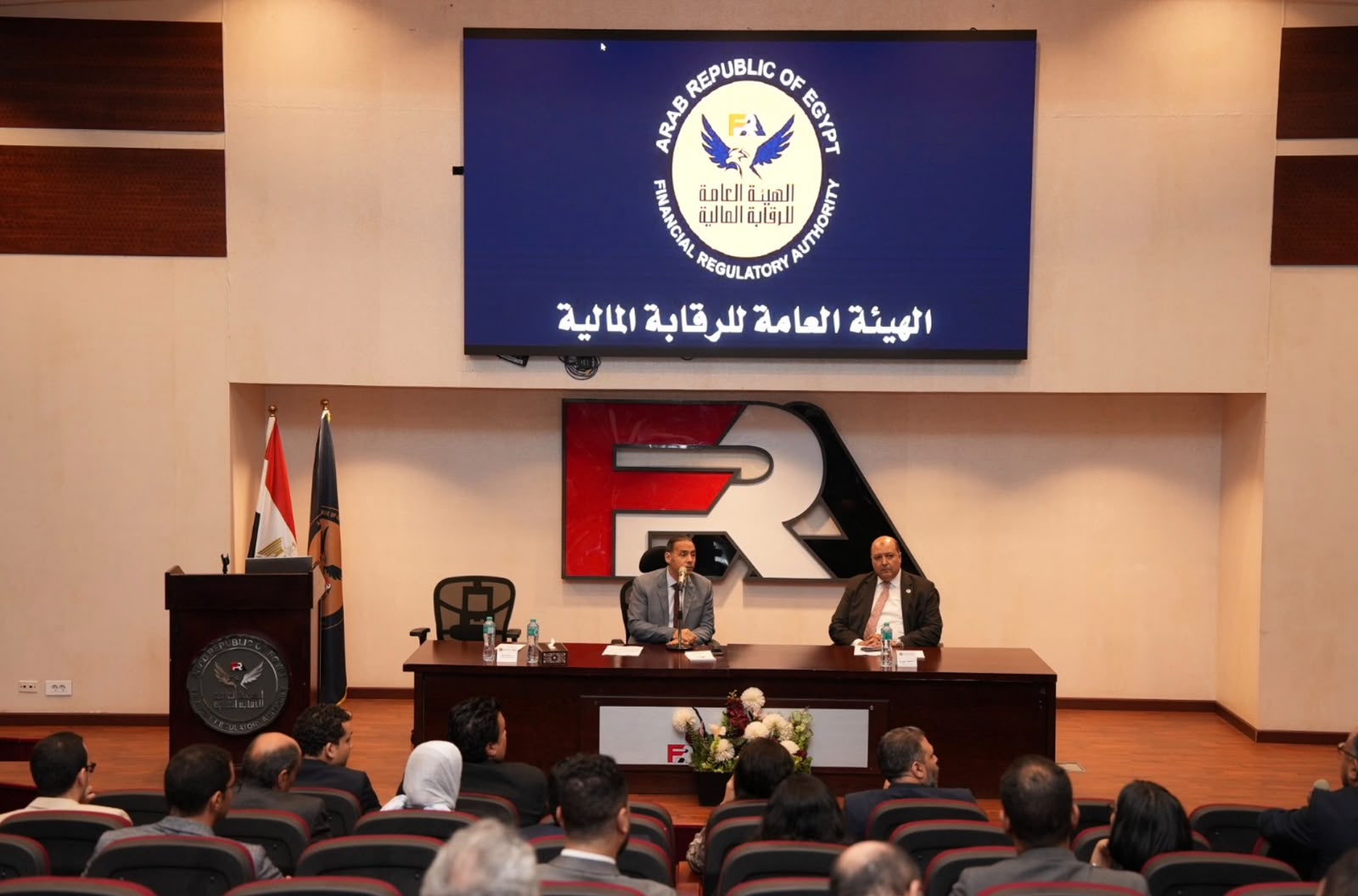
The Financial Regulatory Authority (FRA), chaired by Islam Azzam, has held intensive consultation meetings with representatives of the Egyptian Exchange (EGX), Misr for Central Clearing, Depository and Registry (MCDR), securities brokerage firms, and custodians to finalise operational procedures ahead of the introduction of short selling under the new regulatory framework issued through FRA Board Decision No. 155 of 2026.
The meetings included further live tests of the centralised securities lending system to ensure full real-time connectivity between MCDR and brokerage firms, alongside the documentation of all operational stages and procedures.
The system enables borrowing clients, or short sellers, to view all available securities lending offers submitted by lending clients and select those that match their investment objectives. It also allows lending clients to view other lending offers registered on the platform.
Participants reviewed the latest developments in the operational infrastructure to ensure the mechanism operates smoothly and efficiently once launched.
Technical teams also assessed the technological infrastructure available at brokerage firms for executing short selling transactions, the mechanisms for connecting to the centralised lending system, and arrangements for providing clients with real-time updates.
The discussions also covered preparations for an operational procedures manual outlining the steps and requirements applicable to all participants in the mechanism.
The manual is designed to ensure that brokerage firms and MCDR meet their legal and regulatory obligations within a clear framework that supports operational efficiency and the effective management of transactions involving borrowed securities.
The FRA is also coordinating with the EGX to establish the criteria and conditions that shares must meet to qualify for securities lending. These requirements will be announced upon the mechanism’s official launch.
Azzam said the meetings reflect the FRA’s consistent approach to strengthening dialogue with market participants, listening to their observations and concerns, and welcoming constructive proposals to ensure the successful introduction of short selling.
He added that the mechanism is expected to boost market liquidity, improve pricing efficiency, and deepen the capital market.
Azzam further noted that live technical tests of the centralised lending system had progressed satisfactorily, demonstrating its efficiency and the ability of the new regulatory framework to balance the promotion of securities lending and borrowing with greater flexibility for market participants, effective risk oversight, and the preservation of market stability.
How the short selling mechanism works
Short selling involves two parties: a lending client who wishes to lend shares they own and a borrowing client who borrows those shares, sells them, and subsequently repurchases and returns them to the lender.
The borrowing client typically enters into the transaction when expecting the share price to decline, seeking to profit from the difference between the initial selling price and the subsequent repurchase price.
The transaction is based on the investor’s expectations of market movements and changes in the security’s price, and is conducted through an agreement with a brokerage firm licensed to undertake such operations.

Training programme for market participants
The FRA previously organised a training programme through its training arm, the Financial Services Institute, for securities brokerage firms, financial institutions, and custodians on the new short selling regulatory framework.
The programme introduced participants to the new centralised securities lending system, the conditions and rules governing transactions, and the rights and obligations of brokerage firms and borrowing clients.
It also covered MCDR’s role as the central depository and registry company, securities lending and borrowing limits and ratios, custodians’ responsibilities, securities availability, and collateral management.
Other topics included closing borrowing positions and returning securities, the rights and entitlements associated with corporate actions, direct agreements between brokerage firms and lending or borrowing clients, and the relevant technical and supervisory requirements.
The programme also examined the model agreement between brokerage firms and borrowing clients, recently issued under FRA Chairperson’s Decision No. 3350 of 2026.
The agreement specifies the rights and obligations of brokerage firms and borrowing clients, their respective procedural responsibilities, and arrangements governing expenses, commissions, returns generated from investing collateral margins, and the distribution of those returns.
These provisions are intended to facilitate the practical implementation of short selling and help market participants understand the mechanism and its associated risks. They also address the monitoring of margin collateral and the procedures for closing positions when circumstances specified in contractual or regulatory provisions arise.
The FRA had also previously published a comprehensive educational lecture for investors and financial market professionals on its official website, social media accounts, and YouTube channel.
Delivered by Azzam, the lecture explained the main components and benefits of short selling, the detailed obligations of the parties involved — including lenders, borrowers, brokerage firms, MCDR, and custodians — and the operation of the new centralised lending system, which documents all stages and procedures in real time.


