

Industry Minister Khaled Hashem inspected five factories in the Third Settlement Industrial Zone, covering industrial robotics, vehicle interiors, electric vehicles, metering equipment and pharmaceuticals, as the government seeks to deepen local manufacturing, expand industrial automation and increase the domestic component in locally produced goods.
The tour covered factories with combined investments of approximately EGP 820.2m, according to figures provided by the companies, and highlighted their production capacities, export activities and plans to strengthen domestic industrial capabilities.
Hashem began his tour at Aria Technologies, a smart manufacturing solutions company specialising in industrial robots and automation systems. Established in 2020, the factory occupies 1,200 square metres and has investments of EGP 150m and capital of EGP 60m.
The facility has an annual production capacity of more than 100 industrial robots and smart vision systems, with a local component ratio of 40%. It records annual sales of EGP 250m and exports worth EGP 20m, while providing 85 direct and indirect jobs.
The company manufactures four types of linear industrial robots and offers smart vision systems, automated packaging and welding solutions, automated storage systems and industrial cloud applications. Its services also include industrial inspection, control and safety systems, energy consumption monitoring and predictive maintenance.
Hashem said industrial robotics and automation represent promising areas for strengthening the technological capabilities of Egypt’s industrial sector and supporting the transition towards smart manufacturing.
He urged companies operating in industrial technology to expand local manufacturing and increase the domestic component in their products to reduce reliance on imported systems.
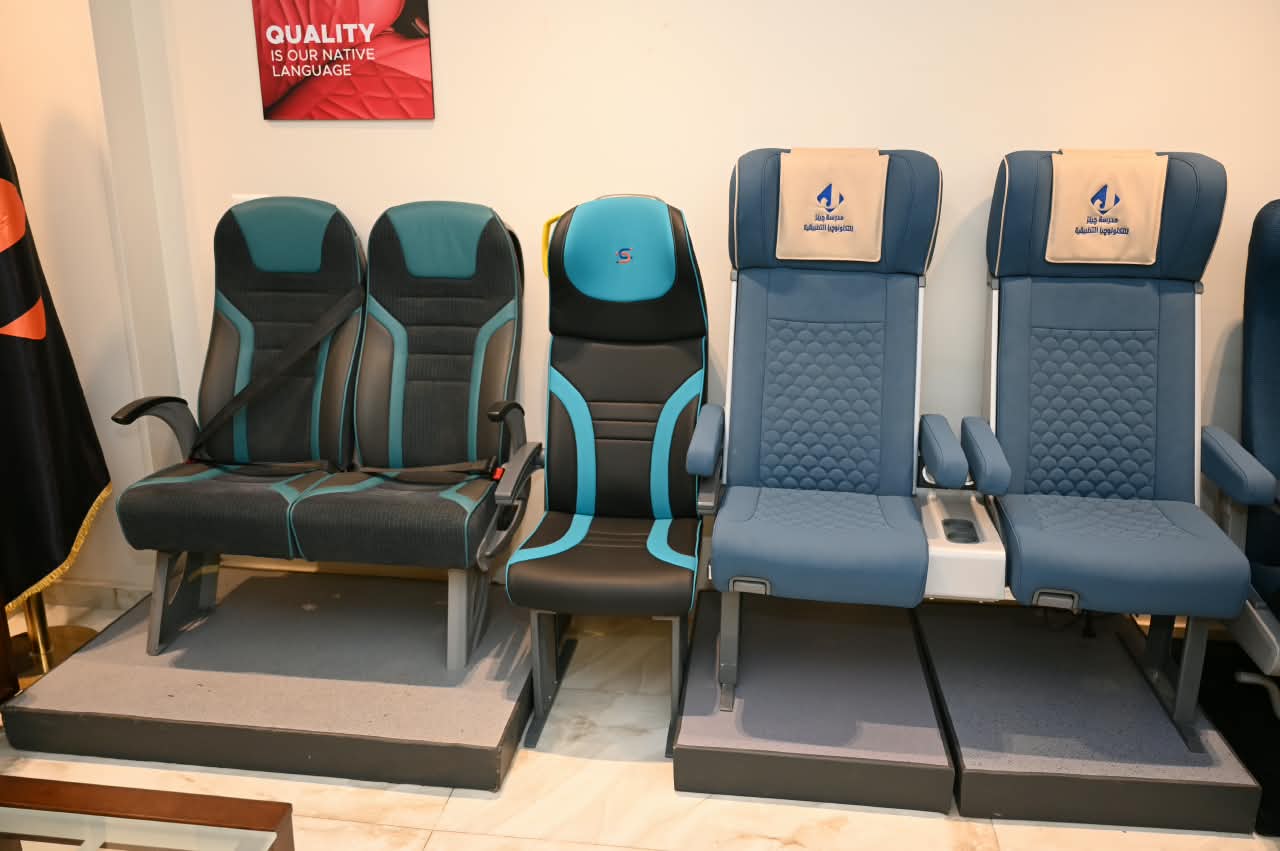
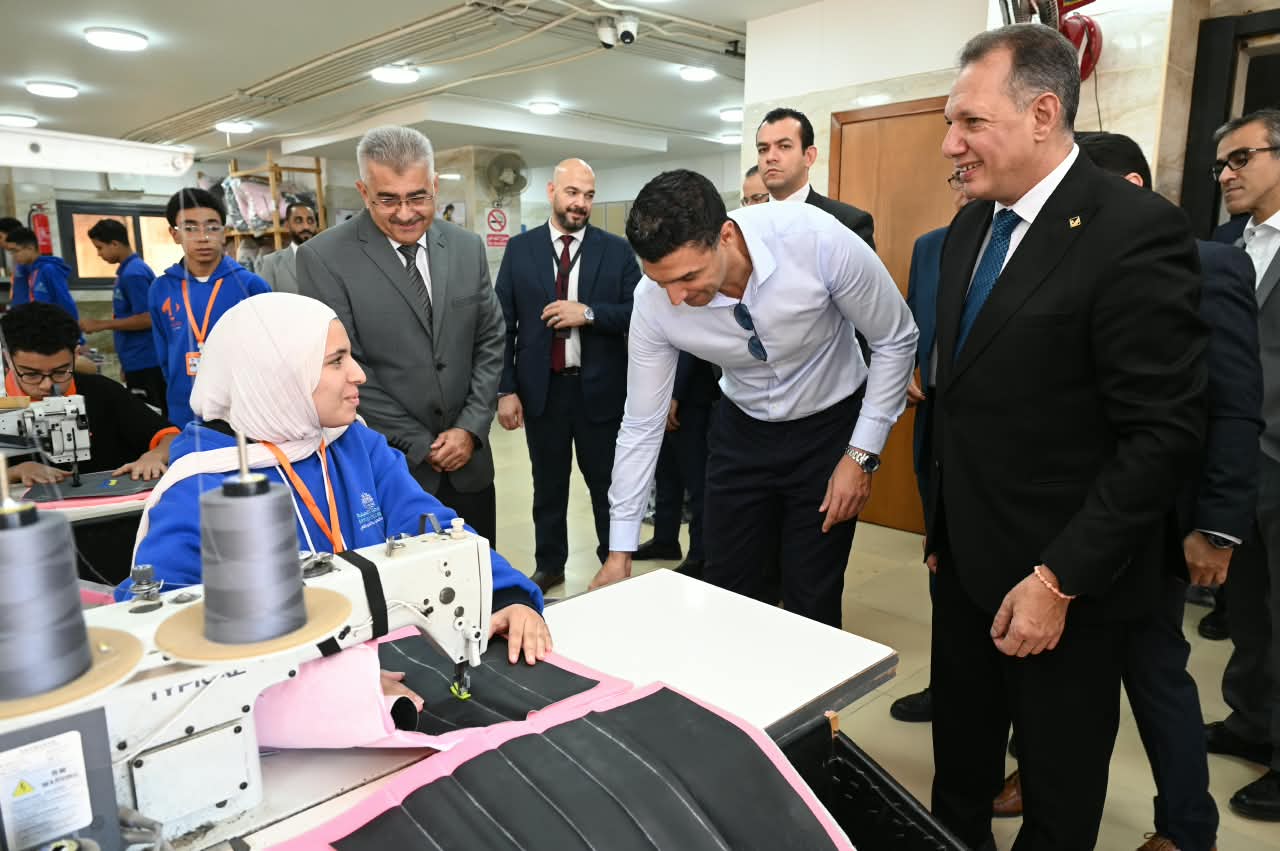
The minister then visited Jeans Car Industry, which manufactures leather products and interior upholstery for vehicles, including aircraft, trains, cars and yachts.
The factory covers 1,500 square metres, with investments of EGP 46m and capital of EGP 7.5m. It produces approximately 25,000 seats annually, with a local component ratio of 50%, and employs 120 people.
The company has also established a free applied technology school in cooperation with the Ministry of Education and Technical Education to train technicians in vehicle interior manufacturing. Described by the company as the first of its kind in Egypt and the Middle East, the school currently has 250 students and graduated its first class last year.
Hashem said the ministry is prioritising the development of the automotive and vehicle components industries to reduce imports and strengthen Egyptian exports.
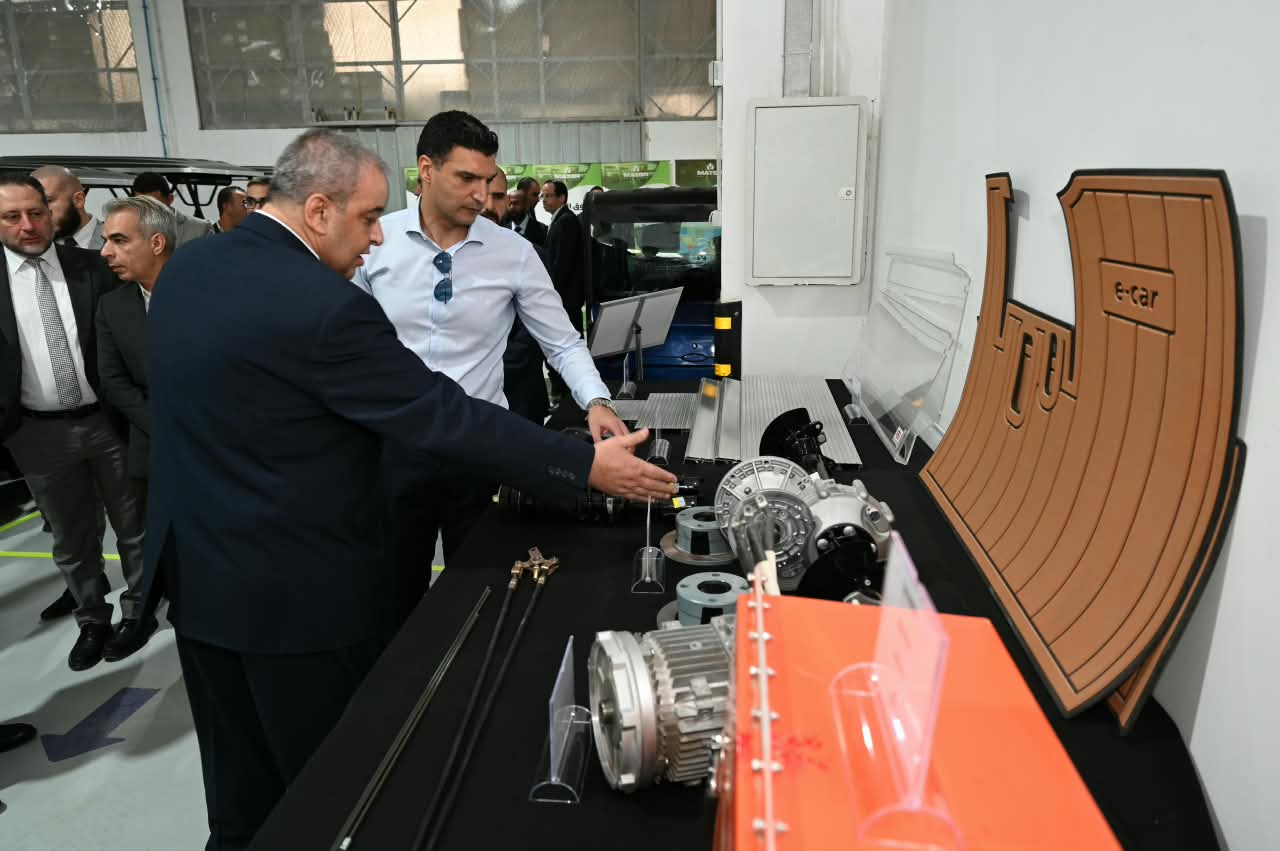
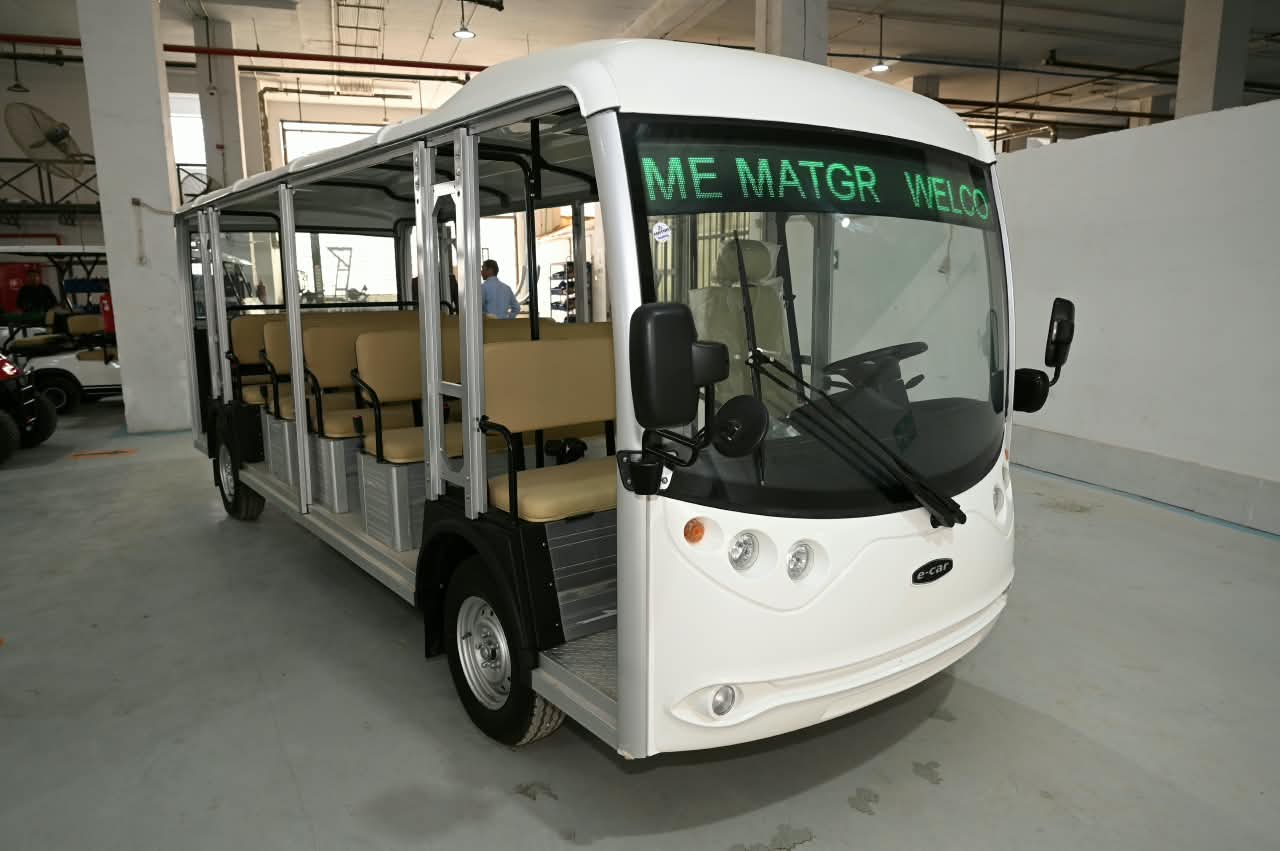
The tour also included Metgar Engineering and Trading, which specialises in sustainable transport solutions and electric vehicles. The factory occupies 25,000 square metres, with investments of EGP 72m and capital of EGP 500m.
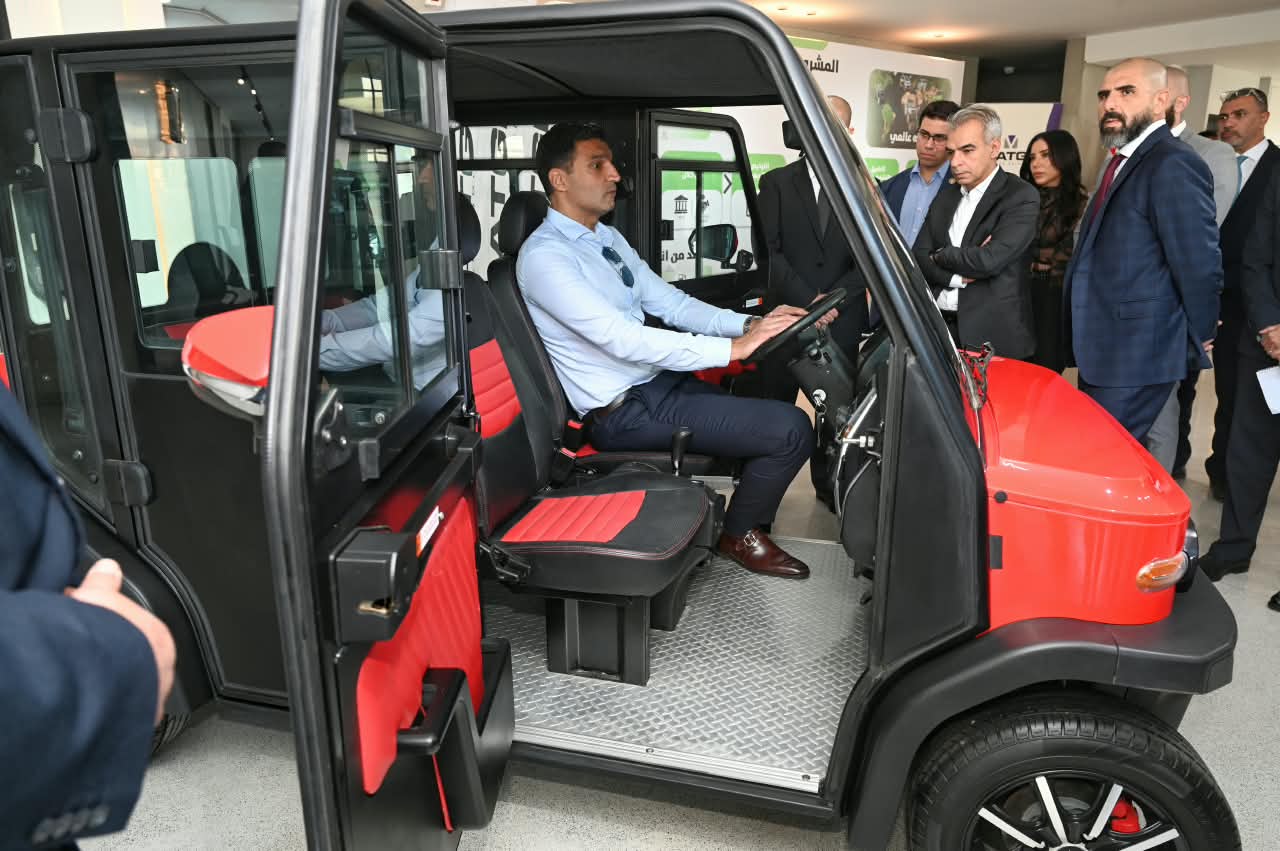
Its products include electric golf carts, low-speed electric vehicles, electric scooters and beach buggies, with an annual production capacity of up to 12,000 units. The facility provides 380 direct and indirect jobs.
The company is also developing an electric vehicle as an alternative to tuk-tuks in cooperation with the Academy of Scientific Research, alongside a lithium battery project with VOL Tech.
Hashem also inspected Technometer Group, a manufacturer of meters and measurement and control equipment. The factory occupies 5,000 square metres, with investments of EGP 300m and capital of EGP 217m.
It has an annual production capacity of 720,000 meters, including water meters of different types and sizes, as well as measurement and control equipment for gases and liquids and copper castings. The factory’s local component ratio reaches 75%, while annual sales amount to EGP 1bn. It provides 312 direct and indirect jobs.
The company supplies products and services to the water, wastewater, irrigation, oil and gas sectors. Its production portfolio includes mechanical, prepaid and smart water meters, while its services cover calibration, leakage detection and water-loss reduction.
Hashem highlighted the factory’s 75% local component ratio, noting that domestic manufacturing of meters and measurement equipment plays an important role in modernising infrastructure and rationalising resource consumption.
He added that the ministry would continue supporting the industry and expanding export opportunities in regional and African markets.
The minister concluded his tour by inaugurating new production lines at Multi Care Egypt for Pharmaceutical Industries, following the completion of upgrades at the facility.
The factory occupies 5,200 square metres and has investments of EGP 252.2m and authorised capital of EGP 100m. It produces 12.2 tonnes annually of dietary supplements in powder and liquid forms and capsules, alongside approximately 30 million packs of human pharmaceutical products and specialised dietary supplements.
Its product range includes soft and hard capsules, creams, ointments, tablets, powders and fast-dissolving oral films. The factory has a local component ratio of 30%, annual sales of EGP 983.8m and exports worth EGP 38.6m. It provides 735 direct and indirect jobs.
The newly inaugurated production lines include facilities for soft gelatin capsules, creams and ointments, and fast-dissolving oral films, alongside upgraded warehouse facilities.
Hashem stressed that pharmaceutical manufacturing remains a priority in Egypt’s industrial strategy, particularly efforts to localise production and strengthen self-sufficiency. He said the new production lines would support the availability of medicines in the domestic market and help expand pharmaceutical exports.


