

Agri-tech leader Syngenta is positioning Egypt as a key market in its Middle East strategy, building on the role of its KAHA research hub in developing agricultural solutions tailored to local farming conditions, as the company expands its regional partnerships and strengthens its presence across the Gulf Cooperation Council (GCC) countries and the Levant.
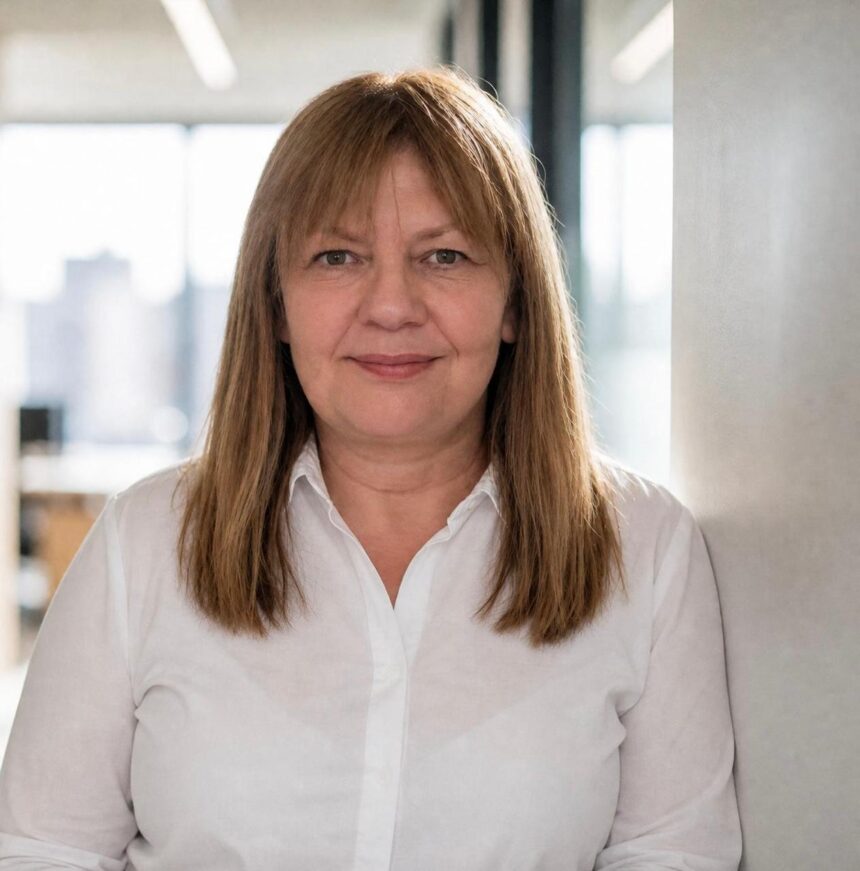
Ülkü Schmithüsen, General Manager and Business Area Head for the Middle East at Syngenta, told Daily News Egypt that the company invests more than $1.5bn annually in research and development (R&D) worldwide, covering innovation in crop protection, seeds and agricultural technologies, as well as digital solutions designed to address farmers’ needs.
She described the Middle East as an important region for Syngenta, noting that the company operates in 15 countries, with Egypt representing one of its key markets. Its regional presence also extends across the Levant and GCC, both of which remain central to its expansion strategy.
Regarding financial performance, Schmithüsen said Syngenta’s crop protection business recorded sales of approximately $2bn across Asia, the Middle East and Africa in 2025. However, she noted that, as a privately held company, Syngenta does not publicly disclose its projected growth rates.
She stressed that partnerships are essential to strengthening the company’s capabilities and expanding the reach of its solutions, adding that no single company can address the challenges facing agriculture independently. Syngenta therefore regularly explores regional partnerships that can deliver tangible benefits to farmers.
Supply chains and manufacturing strategy
Asked whether Syngenta was considering relocating a larger share of its production operations or supply chains to regional markets to reduce dependence on imports, Schmithüsen said the company’s priority was to ensure reliable access to the products and solutions farmers need.
She added that Syngenta had developed a robust and diversified supply chain, allowing it to respond flexibly to customer requirements across global markets.
On the possibility of Egypt becoming a regional manufacturing and distribution hub for agricultural inputs serving Africa and the Middle East, she explained that producing active ingredients for crop protection products is a highly complex process requiring specialised expertise, advanced technologies and stringent quality controls.
For reasons of efficiency and safety, Syngenta centralises production at a limited number of facilities worldwide and exports its products to more than 90 countries, she said.
Research capabilities and agricultural land
Regarding the company’s ownership of agricultural land for research, development or commercial production, Schmithüsen said Syngenta did not own land in the Middle East.
She highlighted the role of the company’s KAHA research facility in Egypt, which provides local R&D capabilities and develops solutions tailored to the specific conditions and needs of Egyptian agriculture.
However, the executive did not disclose details of the group’s total global land holdings, the areas it owns or manages, or whether it was considering investments in experimental or commercial farms in the Middle East.
Syngenta’s regional strategy combines local research capabilities, partnerships with regional entities and a global production and distribution network, with Egypt playing an important role through both its market presence and research activities.


