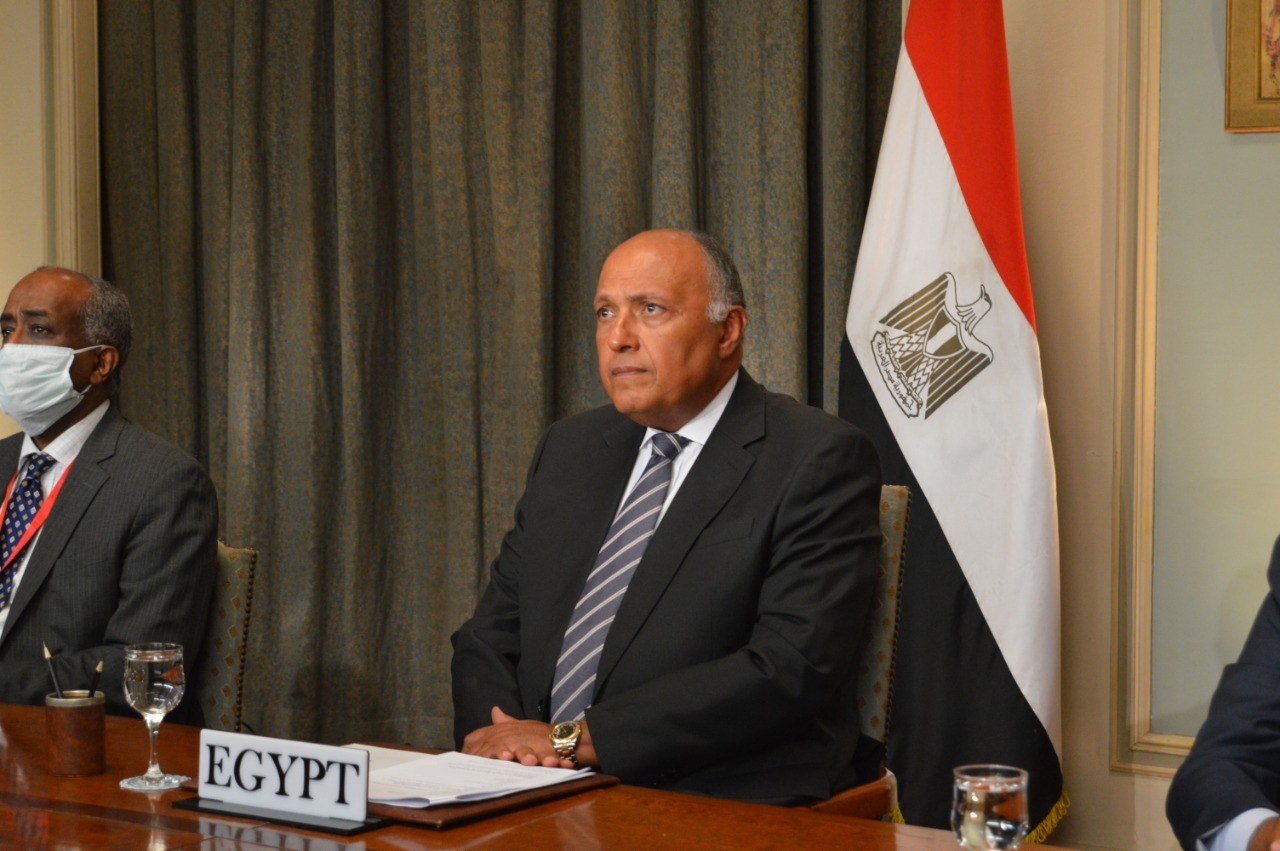

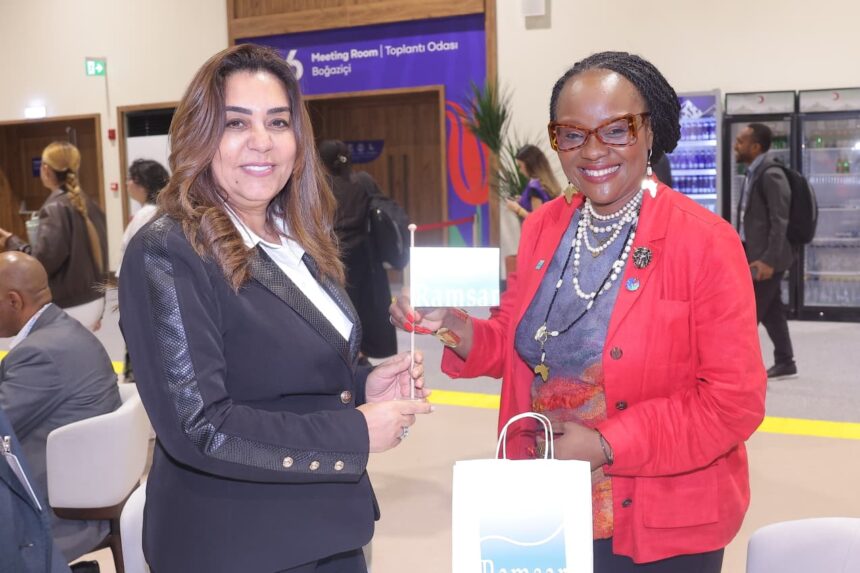
Egyptian Environment Minister Manal Awad discussed mobilising funding for wetland restoration and tackling pollution in Egyptian lakes, particularly Lake Qarun, with Musonda Mumba, Secretary-General of the Ramsar Convention, on the sidelines of COP31 in Antalya.
The talks focused on integrating wetland protection into climate adaptation and water diplomacy efforts, improving the management of internationally important wetland sites and strengthening cooperation on transboundary ecosystems.
Awad stressed that wetland protection is essential not only for biodiversity conservation but also for safeguarding water and food security, supporting climate adaptation and ensuring the sustainability of coastal communities and economies.
Egypt has four sites designated as wetlands of international importance under the Ramsar Convention: Lakes Bardawil and Burullus, and the Wadi El-Rayan and Qarun protected areas.
Awad said these sites provide important habitats for wildlife, support migratory bird routes and contribute to fisheries and local livelihoods.
She noted that Egypt’s updated 2024–2030 National Biodiversity Strategy and Action Plan includes 21 national targets, including the restoration and rehabilitation of 20% of degraded ecosystems, with wetlands among the priority areas.
The strategy also aims to reduce the impact of climate change on biodiversity and strengthen ecosystem resilience through nature-based solutions. Awad called for increased international financing and regional cooperation to support these efforts.
She highlighted Egypt’s climate adaptation project along the northern coast and in the Nile Delta, which includes the construction of 69 kilometres of sand barriers across five priority locations to reduce the risks of coastal flooding through nature-based approaches.
Awad also referred to a project aimed at strengthening the resilience of Egypt’s blue economy and supporting sustainable economic development in coastal and marine areas.
For her part, Mumba said the Ramsar Convention Secretariat was seeking closer cooperation with Turkey, which chairs the Mediterranean Wetlands Working Group, to mobilise funding to address chemical pollution and improve the ecological condition of important lakes.
She highlighted Lake Qarun’s importance as a habitat for migratory birds and a source of livelihoods and employment, particularly for fishermen and farmers.
The meeting also addressed the sustainable use of wetlands, effective management of Ramsar-listed sites and cooperation on transboundary wetlands and shared species.
Egypt’s Ministry of Environment said wetlands, including lakes, rivers, marshes, peatlands, deltas, tidal zones, mangroves and coral reefs, play a vital role in carbon storage, climate resilience and the provision of freshwater and other ecosystem services.