
Minister of Planning and Economic Development Ahmed Rostom said the Egyptian government attaches the utmost importance to achieving comprehensive human development, describing it as the fundamental guarantee of ensuring an equitable distribution of the benefits of economic growth.
He noted that Egypt Vision 2030 had laid the foundations for this approach, supported by integrated sectoral strategies, foremost among them the National Comprehensive Social Protection Framework.
Rostom highlighted the scale of the government’s commitment to narrowing development gaps between governorates, revealing that public investment allocated to human development over the past 12 years had reached approximately EGP 1.5trn, contributing to an improvement in Egypt’s standing on the global Human Development Index.
He added that human development sectors, including healthcare, education and social protection, account for 48% of total government investment under the current fiscal year’s plan.
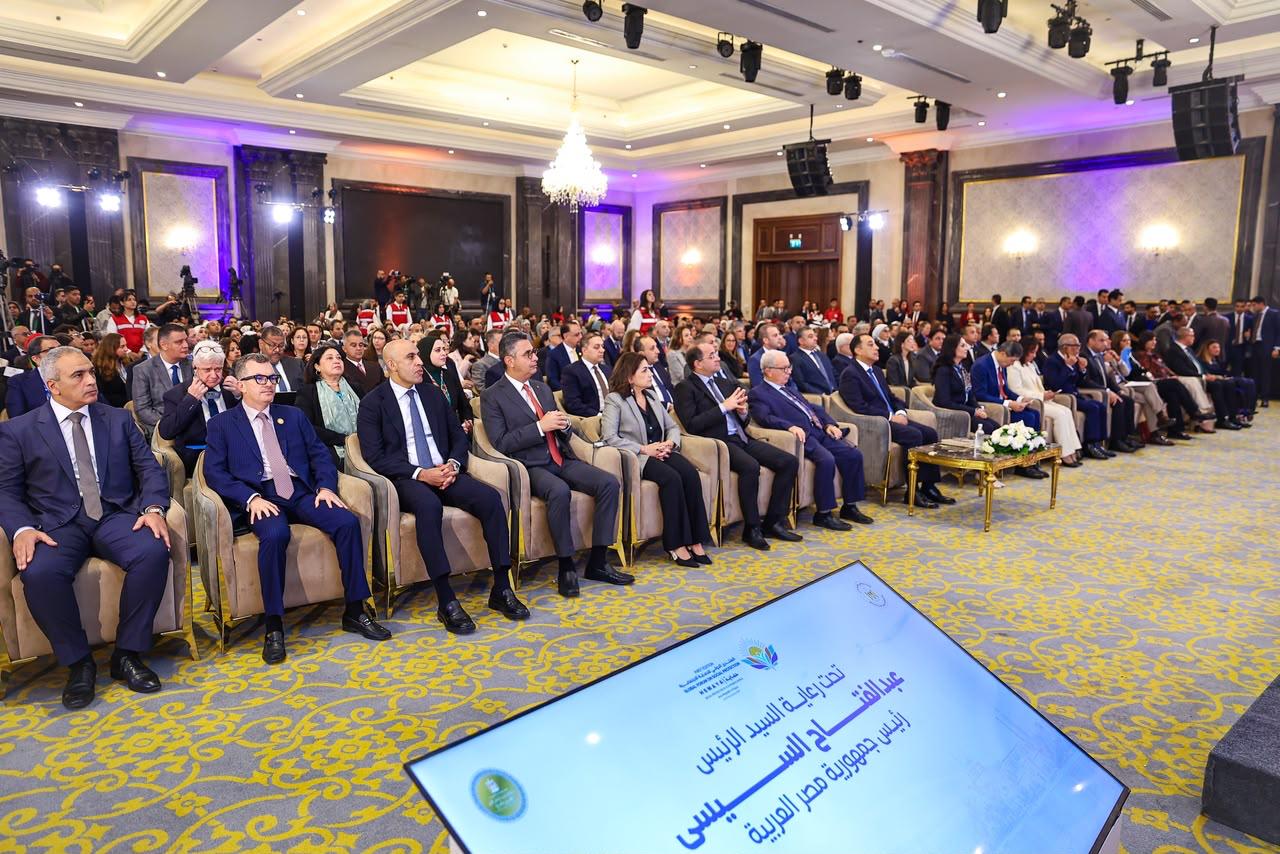
The remarks came during the minister’s participation in the inaugural International Social Protection Forum, which opened today under the theme “Social Protection in a Changing World”.
The forum is being held under the patronage of President Abdel Fattah El-Sisi, in the presence of Prime Minister Mostafa Madbouly, with high-level participation from United Nations organisations, the World Bank, development partners and relevant international institutions.
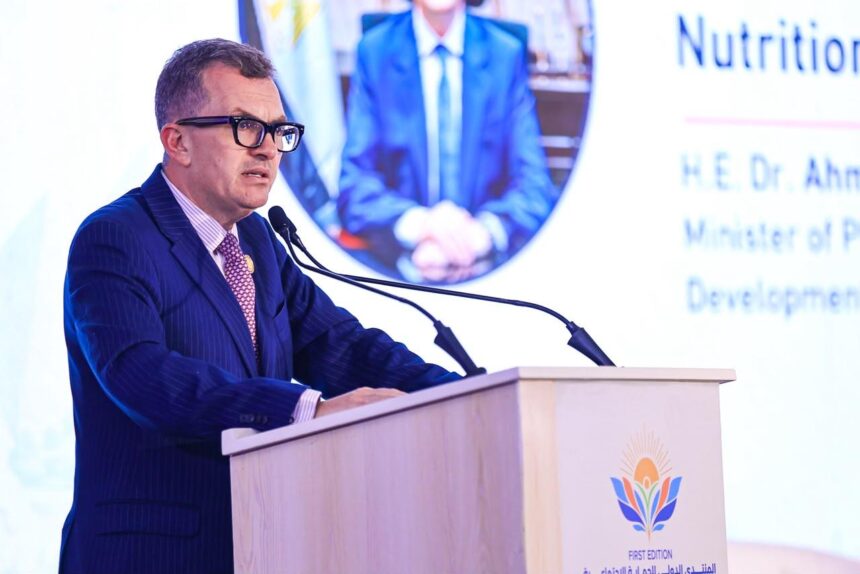
Speaking during the second session, entitled “Investing in Human Capital: Cash Transfers and Social Protection”, Rostom said the international forum strengthens Egypt’s regional and international standing as a platform for exchanging development expertise.
He added that it reflects the Egyptian government’s longstanding conviction that people are at the heart of development and its ultimate purpose.
Rostom explained that rapidly evolving global conditions are creating mounting challenges for living standards and quality of life, making investment in human capital a fundamental pillar of sustainable economic growth rather than merely a social priority.
The minister reviewed the government’s efforts under the national rural development initiative, Decent Life (Hayah Karima).
He said the initiative’s first phase benefits 18 million citizens across 20 rural governorates, with investment in human development and public health accounting for 73% of its total financial allocations.
Rostom reaffirmed the government’s commitment to proceeding with the initiative’s second and third phases, expanding its coverage to reach 57% of Egypt’s total population.
He also highlighted the evolution of the government’s approach to social protection, which has moved beyond the provision of cash assistance alone towards an integrated model centred on economic empowerment and capacity-building.
In this regard, Rostom emphasised the particular importance of early childhood, describing it as the most critical starting point for human development.
He cited Egypt’s 2026 Voluntary National Review, which documented tangible progress in strengthening child-sensitive social protection systems and expanding children’s access to healthcare and education services.
He further explained that, alongside the Takaful and Karama programme, the government is working to launch economic empowerment initiatives to help beneficiary households establish sustainable sources of income and gradually lift themselves out of poverty.
Concluding his remarks, the Planning Minister stressed that the National Economic Transformation Programme 2027–2030 adopts a comprehensive approach to human development across all stages of life.
This includes mobilising additional resources and creating greater fiscal space for social spending, expanding the implementation of the Universal Health Insurance System, and improving the competitiveness and quality of pre-university education while aligning educational outcomes more closely with labour market requirements.